

Will-o'-the-Wisp
Lights!

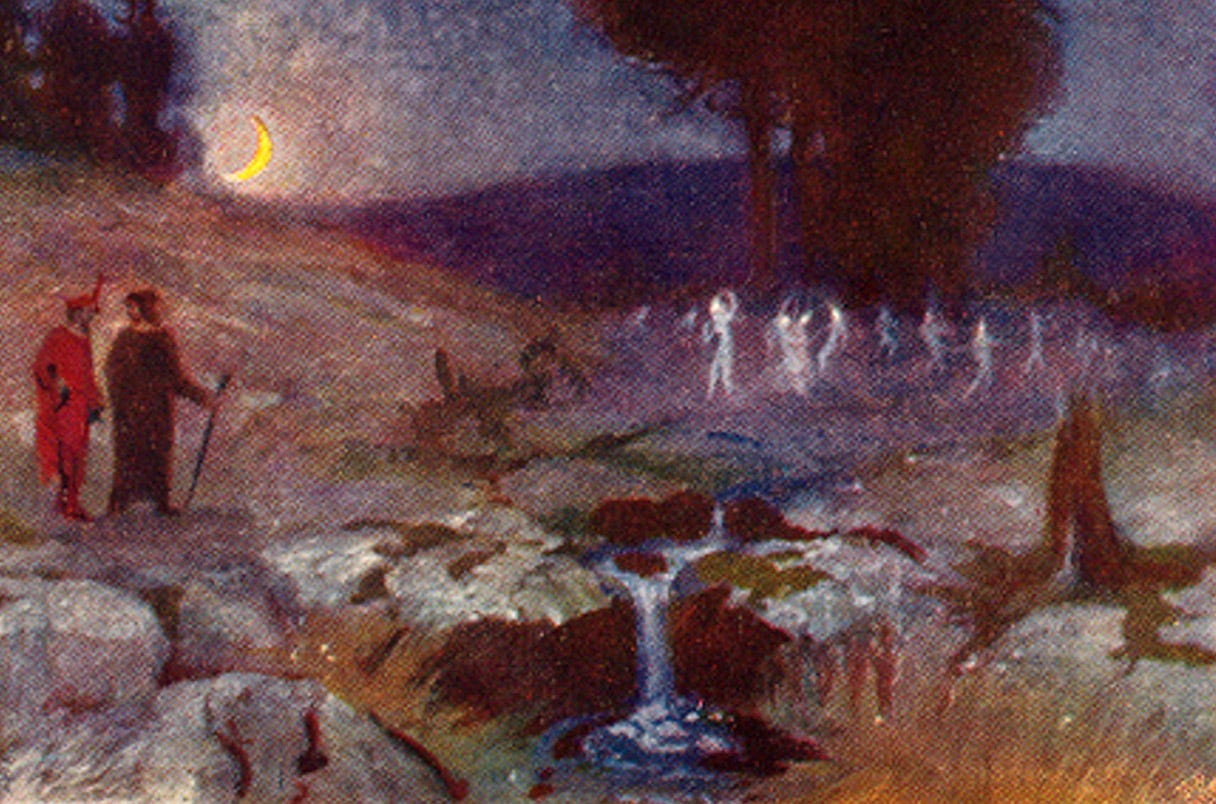
Folklore and scary stories from across the globe tell of dancing spectral lights, seen in the distance. These ghost-lights may portend danger or may lure wayward travelers into the deep, forbidding night. The will-o’-the-wisp is said to appear as dancing bones, ghosts of children, or fairies. They may mark the site of fairy gold, or graves, or nothing at all, depending on who’s telling the story. Whatever the case, their sudden appearance is never a happy turn of events.
But these mysterious dancing lights aren’t just creepy fairy tales. Many of our spookiest legends stem from very real, if rare phenomena, and the will-o’-the-wisp is counted among them.
Over the centuries, there have been many theories as to the scientific origin of these lights. One holds that compounds produced by organic decay in bogs, fens, and swamps can cause photon emissions. Since two of the compounds can ignite on contact with oxygen, they could be causing little methane fires. Thus, the phenomenon is often referred to as ignis fatuus, or foolish fire (first documented in 16th-century Germany).
A recent body of research more or less upholds this theory, suggesting that methane forms microbubbles in moist air. Scientists found that these microbubbles demonstrate random electrical discharges that produce light and heat on their own, and which could easily ignite the surrounding methane. They call this “microlightning,” and that’s frickin’ awesome.
Of course, will-o’-the-wisp isn’t the only spooky light show in the game. There are many types of previously unexplained optical phenomena out there, such as St. Elmo’s fire and ball lightning. There are other, as-of-yet unexplained, legends of ghost-lights in Japanese folklore. A common denominator of ghost-light legends seems to be that they all come from places with humid climates, which lends itself to a practical, scientific explanation.
There are few documented modern sightings of ghost-lights, likely due to the widespread draining of wetlands for farming and development. Plus, kids never leave their house to get lured away by tricksy spectral lights anymore.
Fun Fact: Wisps are bundles of sticks or paper, often used as torches. The will is actually the given name; a folktale held that a mischievous spirit named Will used his wisp to lead people into dangerous spots in the darkness.
If you’re thinking, ‘hmm, sounds familiar…’ right you are. The Jack-o’-lantern was likely another tale concocted to explain this phenomenon.